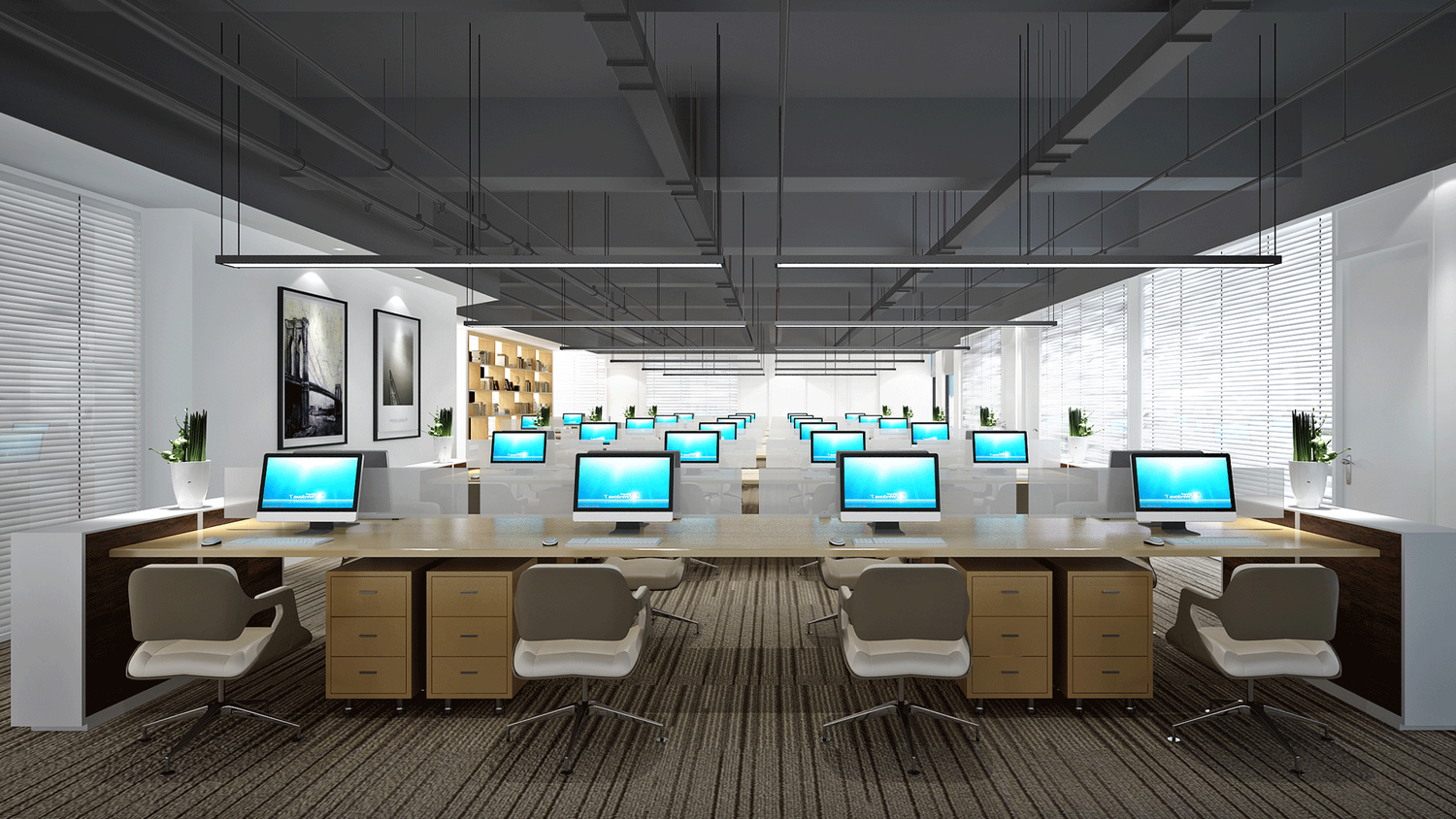
Office Interior Design Ideas
Lighting is a fundamental element of office interior design that profoundly affects employee well-being and productivity. Properly illuminated workspaces can boost mood, enhance focus, and reduce eye strain. Conversely, poor lighting can lead to fatigue, discomfort, and decreased productivity. In this article, we will delve into the significance of lighting in office design and provide guidance on selecting the right lighting fixtures and arrangements for different areas within the office.
The Significance of Office Lighting
Effective office lighting goes beyond mere functionality; it plays a crucial role in creating a comfortable and productive work environment. Here are some key reasons why lighting matters in the workplace:
1. Mood and Productivity: Adequate lighting can have a significant impact on an employee's mood and productivity. Well-lit spaces foster alertness and motivation, reducing the risk of fatigue and lethargy.
2. Visual Comfort: Proper lighting reduces eye strain and discomfort. Inadequate lighting can lead to headaches, blurred vision, and reduced reading speed and accuracy.
3. Energy Efficiency: Thoughtful lighting design can contribute to energy efficiency and cost savings. The use of energy-efficient lighting fixtures and controls can lower electricity consumption.
4. Task-Specific Needs: Different tasks require varying levels and types of lighting. Adequate lighting for reading, computer work, and collaboration ensures that employees can perform their tasks comfortably.
Guidance on Selecting Office Lighting
To perfect illumination in your office, consider the following tips for selecting the right lighting fixtures and arrangements for different areas within your workspace:
1. Natural Light Maximization:
- Whenever possible, make the most of natural light. Position workstations and communal areas near windows to allow for ample daylight.
- Use window treatments like blinds or curtains to control glare and direct sunlight.
2. General Ambient Lighting:
- Use ambient lighting as the foundation of your office lighting plan. Ceiling-mounted fixtures like LED panels or recessed lights provide even, overall illumination.
- Choose LED or fluorescent lights with a color temperature of around 3500K to 4000K for a neutral, balanced ambiance.
3. Task Lighting:
- Incorporate task-specific lighting to cater to employees' individual needs. Desk lamps, under-cabinet lights, and adjustable reading lights can be added to workstations.
- Ensure that task lighting is adjustable and provides focused, glare-free illumination.
4. Accent Lighting:
- Use accent lighting to highlight specific features or areas within the office, such as artwork, plants, or architectural elements.
- Wall-mounted sconces, track lighting, or LED strips can be employed for accent purposes.
5. Color Rendering:
- Pay attention to color rendering when choosing light fixtures. High-quality lighting should accurately render colors, which is crucial for tasks that involve color discrimination, such as design work.
- Look for fixtures with a high Color Rendering Index (CRI) rating, ideally above 90.
6. Dimmers and Controls:
- Install dimmer switches and lighting controls to allow employees to adjust the lighting to their preferences and task requirements.
- Smart lighting systems can also help with energy efficiency and customization.
7. Lighting Zones:
- Divide the office into lighting zones, each with its own controls. This allows for greater flexibility in adjusting lighting levels based on the specific activities taking place in each area.
8. Regular Maintenance:
- Implement a maintenance schedule to ensure that all lighting fixtures are in working order. Burnt-out bulbs and malfunctioning fixtures should be promptly replaced.
The impact of lighting on office productivity cannot be overstated. A well-considered office design enhances employee well-being, mood, and performance while contributing to energy efficiency. By selecting the right lighting fixtures and arrangements for different areas within the office, businesses can create a well-lit and productive workspace that supports their employees in achieving their best work.
